
Your website often forms a customer’s first impression of your business. Picking the wrong person to build it can cost you time, money, and valuable leads. This guide provides a clear, step-by-step framework for finding a web design partner who understands your goals and can execute them effectively.
Start By Defining Your Own Project Needs
Before you speak to a single designer, get clear on what you need. A vague request leads to misaligned expectations and proposals that miss the mark. Write down your core business objectives. Is the site for generating service leads, selling products, or building brand awareness? Outline the essential pages and features you need immediately. Be honest about your budget range and timeline. This internal clarity becomes your benchmark for evaluating every candidate. A well-defined web design project scope is your most powerful tool for a successful outcome.
Key Questions to Ask Yourself
- What is the primary action I want visitors to take?
- Who is my exact target customer?
- What websites in my industry do I admire, and why?
- What is my budget for design, development, and ongoing maintenance?
Evaluating Web Design Skills and Experience
A designer’s past work is the best predictor of your future website. A thorough web designer portfolio review is non-negotiable. Look for more than just pretty pictures. Visit the live sites in their portfolio. Test how they work on your phone. Click through the menus and see if the navigation feels intuitive. Pay attention to sites they’ve built for businesses similar to yours in size or industry. Do they have experience with local service businesses, e-commerce, or professional services? This practical evaluating web design skills process moves beyond aesthetics to assess functionality and strategic thinking.
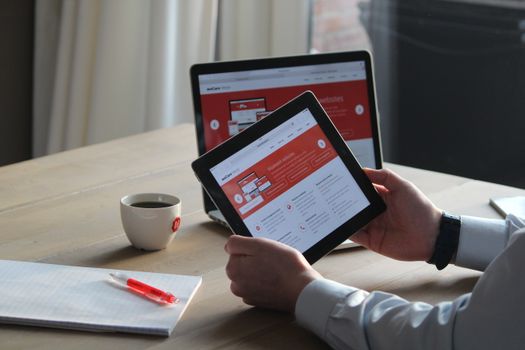
Freelance Web Designer vs. Agency: Understanding the Difference
Your choice between a solo freelancer and a full-service agency significantly impacts your project’s flow. Each option has distinct advantages that suit different business needs.
| Consideration | Freelance Web Designer | Web Design Agency |
|---|---|---|
| Cost Structure | Often lower hourly or project rates; simpler web designer pricing models. | Typically higher, but includes a broader skill set and project management. |
| Skills & Resources | Deep expertise in design; may subcontract development or copywriting. | Integrated team of designers, developers, and often marketing specialists. |
| Communication | Direct contact with the designer; single point of contact. | May involve a project manager; processes can be more structured. |
| Reliability & Coverage | Dependent on one person’s schedule and availability. | Team can provide coverage if one member is unavailable. |
The freelance web designer selection process often focuses on a personal connection and direct collaboration. An agency, conversely, offers a more institutional approach with dedicated resources. Your decision here will shape your entire hiring a web designer checklist.
The Interview and Proposal Stage
Once you’ve shortlisted candidates, prepare for focused conversations. Go beyond generic questions. Ask about their process for migrating an existing site, their approach to mobile-first design, and how they handle website security. A critical part of your web designer interview questions list should probe their problem-solving ability. Present a specific challenge your business faces and ask how they would address it through the website’s design.
When proposals arrive, conduct a detailed web design proposal comparison. Look beyond the bottom-line price. Scrutinize what is explicitly included: the number of design revisions, page templates, training provided, and post-launch support. A cheap proposal that excludes essential items like SEO setup or content population will become expensive later.
Due Diligence: Checking References and Past Client Relationships
Always take the time for checking web designer references. When a designer provides past client contacts, ask specific questions. Were deadlines and budgets met? How responsive was the designer to requests or concerns? Was the final product easy for the client to manage? Look for online reviews or testimonials that comment on the designer’s professionalism and reliability. This step reveals how the designer operates in real-world conditions, not just in a sales pitch.
Making Your Decision and Moving Forward
After your research, interviews, and proposal reviews, you should have a clear frontrunner. The right choice balances quality, cost, communication style, and a proven process. Trust your due diligence. Before signing a contract, ensure all agreed-upon details regarding scope, timeline, payment schedule, and ownership of the final files are documented. A clear contract protects both parties and sets the stage for a smooth collaboration.
Remember, your website is an investment in your business growth. The right designer is a partner in that growth. For ongoing support with elements like professional graphic design for your brand or targeted Google advertising to drive traffic to your new site, consider partners who offer these complementary services.

Frequently asked questions
What should I look for in a web designer’s portfolio?
Look for live, functional websites, not just mockups. Test them on mobile, check loading speeds, and assess if the design aligns with the client’s business goals. Prioritize designers who have experience in your specific industry or with similar business models.
How much does it typically cost to hire a web designer?
Costs vary widely based on project complexity, designer experience, and location. A simple brochure site might cost a few thousand dollars, while a custom e-commerce platform can be tens of thousands. Always compare detailed proposals, not just total prices.
What questions are most important to ask a potential web designer?
Ask about their design process, revision policy, project timeline, and what happens after launch. Inquire about their experience with platforms relevant to you and who will handle tasks like copywriting, image sourcing, and technical SEO configuration.
Is it better to hire a local web designer or someone remote?
While local designers allow for in-person meetings, remote collaboration is now very effective with video calls and project management tools. Focus on the designer’s skill, communication style, and portfolio fit over their physical location.
What is usually included in a web design contract?
A solid contract outlines the project scope, deliverables, payment schedule, number of revisions, timeline, ownership rights of the final design and code, and terms for post-launch support and maintenance. Never start work without a signed contract.