
A local business website helps customers understand your services and decide how to contact you. Clear information, readable mobile layouts and working enquiry forms matter more than unsupported statistics. Treat the site as part of your customer experience and keep it current.
The goal is not just to have a website, but to have one that converts local searchers into paying customers. This requires a strategy that blends aesthetics with local search engine optimization (SEO), technical performance, and clear calls to action.
Why Generic Web Design Fails Local Businesses
Many small business owners make the mistake of choosing the cheapest or most generic website option. A template built for a national blog or a large corporation will not address the specific needs of a local service area. Your site must answer immediate, location-specific questions: Where are you? When are you open? How quickly can you solve my problem? Can I trust you?
Effective web design for small businesses focuses on local intent. It prioritizes information like your service area, customer testimonials from nearby residents, and clear contact methods. A generic site often buries this vital data under flashy graphics or irrelevant content. The result is a higher bounce rate and fewer phone calls or contact form submissions.
The Mobile-First Imperative
Most local searches happen on smartphones. A mobile-friendly business site is non-negotiable. This goes beyond a site that simply “fits” on a screen. Buttons must be large enough to tap with a finger. Text must be readable without zooming. Load times must be under three seconds, even on slower cellular connections. Google now uses mobile-first indexing, meaning it primarily uses the mobile version of your site for ranking. If your site fails here, you are invisible.

Core Elements of a High-Converting Local Website
Building professional business websites for local companies requires a focus on specific components. Each element should work together to guide the visitor toward becoming a customer.
1. Clear Value Proposition and Services
Within three seconds, a visitor should understand what you do and who you do it for. Use a clear headline and subheading on your homepage. Follow this with a concise list of your core services and the primary areas you serve. Avoid industry jargon. Speak directly to the customer’s need.
2. Local SEO Foundation
Local SEO website design integrates search optimization directly into the site’s structure. This includes:
- Location Pages: If you serve multiple towns or neighborhoods, create dedicated pages for each area (e.g., “Plumbing Services in Tampa” and “Plumbing Services in St. Petersburg”).
- Localized Content: Write blog posts or service pages that answer common local questions or discuss community events.
- Schema Markup: This behind-the-scenes code tells search engines exactly what your business is, where it is, and what it offers, helping you appear in local “map pack” results.
- NAP Consistency: Your business Name, Address, and Phone number must be identical on your website, your Google Business Profile, and all other online directories. Inconsistency confuses both customers and search engines.
For more on this foundation, explore our guide on local SEO services.
3. Social Proof and Trust Signals
Local customers buy from businesses they trust. Feature reviews from Google, Facebook, or Yelp prominently. Display logos of local associations you belong to, awards you’ve won, or before-and-after photos of your work. A dedicated testimonials page is powerful, but integrating short quotes on key service pages is even more effective.
4. Simple, Prominent Contact Methods
Your phone number should be clickable on mobile. Your contact form should be short and easy to find on every page. Consider adding a prominent “Call Now” button that stays on the screen as the user scrolls. For service businesses, an online booking or quote request system can dramatically increase conversions.
| Website Feature | Impact on Local Customer |
|---|---|
| Service Area Pages | Instantly confirms you serve their specific location, reducing bounce rate. |
| Click-to-Call Phone Number | Reduces friction; allows immediate contact with one tap on mobile. |
| Embedded Google Map | Provides visual confirmation of your location and helps with directions. |
| Photo Gallery of Past Work | Builds credibility and helps visualize the quality of your service. |
| Online Appointment Scheduler | Captures leads 24/7 without requiring phone calls during off-hours. |
The Process: From Concept to Launch
Quality small business web development follows a structured process. This ensures the final product is strategic, not just pretty.
- Discovery & Strategy: We identify your business goals, target customer, key competitors, and required features.
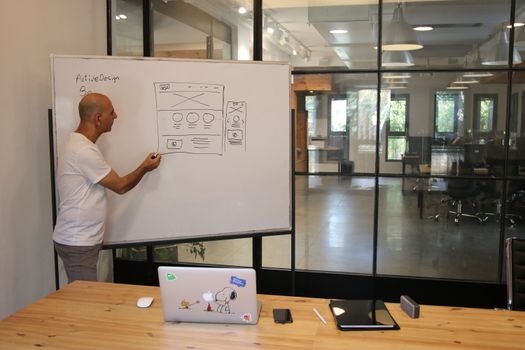
- Planning & Structure: We map out the site’s pages (sitemap) and how users will navigate them (wireframes).
- Visual Design: We create the look and feel, aligning with your brand while prioritizing user experience. This stage focuses on creating responsive business websites.
- Development & Content: The site is built with code. All text, images, and contact forms are implemented.
- Local SEO Setup: We configure technical SEO, title tags, descriptions, and connect your site to your Google Business Profile.
- Testing & Launch: The site is tested on multiple devices and browsers before going live.
- Training & Maintenance: You receive training on how to update your site, and we discuss ongoing website maintenance needs to keep it secure and updated.
This approach to custom business web design ensures your site is a tailored business tool, not an off-the-rack solution.
Common Pitfalls in Local Business Website Design
Being aware of frequent mistakes can save time and money.
Ignoring Page Speed
Check how quickly important pages load on real devices. Optimize oversized images, review caching and choose hosting that meets the site’s needs. Test changes rather than promising a specific conversion increase.
Hiding Contact Information
Do not make a visitor hunt for your phone number or address. Place this information in the header, footer, and on a dedicated contact page.
Using Stock Photos Exclusively
Relevant stock images can support a design, while genuine photos of your team and work help explain the business. Use images you have permission to publish and describe meaningful images accurately.
Forgetting the Call to Action (CTA)
Every page should guide the user toward a next step. Is it to call, email, book online, or visit your shop? Use clear, action-oriented button text like “Get Your Free Estimate” or “Schedule Service Today.”
Neglecting the Blog or News Section
Publish useful content when you have something relevant to explain. Answer real customer questions and keep older pages accurate; posting frequency alone does not establish authority or guarantee traffic.
E-commerce Considerations for Local Businesses
For shops selling products, e-commerce website design adds another layer. The principles of local focus still apply. Clearly state local pickup or delivery options. Use local landmarks in product descriptions. Offer gift cards that can be purchased online and redeemed in-store. An e-commerce site for a local boutique should feel connected to the community, not like a massive, impersonal global marketplace.
The best website design for local companies bridges the gap between the digital and physical worlds. It makes the online experience feel personal and direct, just like walking into a neighborhood store.

Finding the Right Partner for Your Project
Choosing a designer or agency is a big decision. Look for a partner with proven experience in building sites for local businesses, not just portfolios full of large corporate clients. They should ask detailed questions about your customers, your competition, and your community. Be wary of providers who promise top Google rankings overnight; sustainable local SEO takes time and consistent effort.
Many firms, including ours, offer scalable solutions. Affordable business web design does not mean cheap or low-quality. It means a streamlined, focused site that includes only the features you need to start generating leads, with the option to grow and add complexity later. The priority should always be return on investment.
Your website is your most valuable digital asset. Investing in thoughtful, strategic local business website design is the first and most important step in claiming your space in the local online marketplace. It turns casual browsers into committed customers and builds a foundation for long-term growth.
Frequently asked questions
How much does a local business website cost?
Costs depend on pages, content, features and support. Request a written scope and compare recurring charges as well as the initial fee. No budget guarantees leads or a financial return.
What is the most important feature for a local business website?
Clear, immediate contact information and a strong local SEO foundation are paramount. If customers cannot easily find how to reach you or if search engines cannot understand your location, other features matter less. A mobile-responsive design is equally critical.
How long does it take to build a website?
A standard small business website typically takes 4 to 8 weeks from initial planning to launch. This timeline allows for strategy, design, development, content creation, and testing. Rushed projects often lead to overlooked details and poor performance.
Can I update the website myself after it’s built?
Yes. Most modern websites are built on a Content Management System (CMS) like WordPress, which includes an easy-to-use dashboard for updating text, images, and blog posts. Your designer should provide training on how to use it.
Do I really need a blog on my business website?
While not strictly mandatory, a blog is highly recommended. It provides fresh content that helps with local SEO, establishes your expertise, and gives you material to engage your community on social media. Even one or two posts per month can have a significant impact.